Understanding the leads definition is crucial for any business aiming to grow. It’s not just about collecting names—it’s the foundation of sales and marketing success.
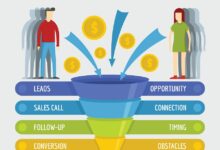


Leads Definition: What Exactly Is a Lead?

At its core, the leads definition refers to a person or organization that has shown interest in your product or service. This interest can be expressed in various ways—filling out a form, subscribing to a newsletter, downloading a guide, or even engaging with your content on social media. A lead is not yet a customer, but they are a potential one.
Why the Leads Definition Matters in Business
The concept of a lead is central to modern marketing and sales strategies. Without a clear understanding of what constitutes a lead, businesses risk wasting time and resources on unqualified prospects. According to Investopedia, a lead is “an individual or entity that has indicated interest in your company’s product or service.” This interest is the first step in the customer journey.
- Leads are the starting point of the sales funnel.
- They help businesses segment their audience.
- They enable targeted marketing campaigns.
“A lead is not just a name and email—it’s a human being with a problem you can solve.” – Marketing Expert, Neil Patel
Different Perspectives on the Leads Definition
While the basic leads definition is widely accepted, different industries and departments may interpret it differently. For example, in real estate, a lead might be someone who requests a home valuation. In SaaS (Software as a Service), it could be a user who signs up for a free trial. The key is that the action indicates intent.
- Sales teams often define leads by contact information and engagement level.
- Marketing teams may classify leads based on digital behavior.
- Customer service might see leads as inquiries that could convert with follow-up.
Types of Leads: Breaking Down the Leads Definition Further
Not all leads are created equal. The leads definition evolves when we consider the different types of leads a business can generate. Understanding these types helps companies prioritize efforts and allocate resources efficiently.
Marketing Qualified Leads (MQLs)
Marketing Qualified Leads (MQLs) are individuals who have engaged with marketing content and meet specific criteria set by the marketing team. These criteria might include downloading a whitepaper, attending a webinar, or spending a certain amount of time on a pricing page.
- MQLs are more likely to become customers than cold leads.
- They have demonstrated interest through digital interactions.
- They are passed to sales only when they meet predefined engagement thresholds.
According to HubSpot, MQLs are “leads that marketing has deemed more likely to become customers compared to other leads based on lead intelligence.”
Sales Qualified Leads (SQLs)
Sales Qualified Leads (SQLs) are leads that the sales team has evaluated and believes are ready for direct outreach. These leads have not only shown interest but have also indicated a need, budget, and timeline—often referred to as BANT (Budget, Authority, Need, Timeline).
- SQLs have passed the MQL stage.
- They are often the result of direct conversations or demos.
- They are considered high-priority prospects.
“An SQL is a lead that sales says, ‘Yes, I want to talk to this person right now.’” – Sales Trainer, Jill Konrath
Product Qualified Leads (PQLs)
Product Qualified Leads (PQLs) are a newer category, especially relevant in product-led growth models. These are users who have experienced the product—often through a free trial or freemium model—and shown behaviors that indicate they’re ready to upgrade.
- PQLs are common in SaaS and tech companies.
- They have already used the product, reducing friction in conversion.
- Examples include users who invite team members or use key premium features.
As noted by ProductLed, PQLs “are users who have derived value from your product and are likely to convert to paid customers.”
How Leads Are Generated: The Engine Behind the Leads Definition
Understanding the leads definition is only half the battle. The next step is knowing how leads are actually generated. This process involves a mix of strategies, tools, and channels designed to attract and capture potential customers.
Content Marketing and Lead Generation
One of the most effective ways to generate leads is through content marketing. By offering valuable, informative content—such as blogs, eBooks, or webinars—businesses can attract visitors and convert them into leads by asking for contact information in exchange for the content.
- Content acts as a magnet for organic traffic.
- Gated content (e.g., PDF downloads) requires an email to access.
- High-quality content builds trust and authority.
For example, a company offering CRM software might create an eBook titled “10 Ways to Improve Customer Retention” and require an email address to download it. This simple exchange turns a visitor into a lead.
Paid Advertising and Lead Capture
Paid advertising, such as Google Ads or social media ads, can quickly generate leads by targeting specific demographics, interests, or behaviors. These campaigns often direct users to landing pages designed specifically for lead capture.
- Facebook and LinkedIn ads are popular for B2B lead generation.
- Google Search Ads target users actively searching for solutions.
- Landing pages must be optimized for conversion with clear calls-to-action (CTAs).
According to HubSpot’s blog, “Paid ads can generate leads faster than organic methods, but they require careful targeting and budget management.”
Social Media and Organic Lead Generation
Social media platforms are not just for brand awareness—they are powerful lead generation tools. By engaging with followers, sharing valuable content, and using lead-generation forms (like LinkedIn’s), businesses can collect leads without direct advertising.
- LinkedIn allows direct lead form submissions in ads.
- Instagram and Facebook offer contact buttons and messaging features.
- Twitter (X) can drive traffic to lead capture pages via pinned tweets.
“Social media isn’t just about likes—it’s about conversations that turn into customers.” – Gary Vaynerchuk
The Lead Qualification Process: From Leads Definition to Sales Readiness
Not every lead is ready to buy. The lead qualification process is essential to determine which leads are worth pursuing. This process refines the leads definition by adding layers of intent, capability, and timing.
BANT Framework: Budget, Authority, Need, Timeline
BANT is one of the most widely used frameworks for qualifying leads. It helps sales teams assess whether a lead has:
- Budget: Can they afford the product or service?
- Authority: Are they the decision-maker or influencer?
- Need: Do they have a problem your solution addresses?
- Timeline: When do they plan to make a purchase?
For example, a lead might need a new CRM system (Need) and have the budget (Budget), but if they’re not the IT manager (Authority) or don’t plan to buy for six months (Timeline), they may not be sales-ready.
CHAMP Framework: Challenges, Authority, Money, Prioritization
CHAMP is a more modern alternative to BANT, focusing on the customer’s challenges rather than just their budget. It emphasizes understanding the lead’s pain points first.
- Challenges: What problems are they trying to solve?
- Authority: Who has the power to make decisions?
- Money: Is there financial capacity?
- Prioritization: How urgent is the issue?
As Sales Hacker explains, “CHAMP puts the customer’s challenges at the center of the conversation, leading to more empathetic and effective sales dialogues.”
MEDDIC Framework: A Deep Dive for Complex Sales
MEDDIC is used primarily in enterprise sales and stands for Metrics, Economic Buyer, Decision Criteria, Decision Process, Identify Pain, and Champion. It’s a comprehensive model for high-value, long-cycle sales.
- Metrics: How will success be measured?
- Economic Buyer: Who controls the budget?
- Decision Criteria: What factors will influence the purchase?
- Decision Process: What steps must be taken to close the deal?
- Identify Pain: What specific problems exist?
- Champion: Who inside the organization supports your solution?
This framework ensures that no critical element is overlooked in complex B2B sales environments.
Lead Management: Organizing the Leads Definition in Practice
Once leads are generated and qualified, they must be managed effectively. Lead management is the process of tracking, nurturing, and converting leads through the sales funnel. It’s where the theoretical leads definition meets real-world execution.
Customer Relationship Management (CRM) Systems
CRM systems like Salesforce, HubSpot, or Zoho are essential tools for lead management. They allow businesses to store lead information, track interactions, automate follow-ups, and analyze performance.
- CRMs centralize lead data for easy access.
- They enable automation of email sequences and task reminders.
- They provide analytics on lead conversion rates and sales cycles.
According to Salesforce, “CRM helps businesses stay connected to customers, streamline processes, and improve profitability.”
Lead Scoring: Prioritizing Based on Behavior
Lead scoring assigns numerical values to leads based on their behavior and profile. This helps sales teams focus on the most promising prospects.
- Positive points for actions like visiting pricing pages or attending demos.
- Negative points for inactivity or irrelevant job titles.
- Thresholds determine when a lead is passed to sales.
For example, a lead who downloads a case study and visits the contact page might score 80 points, while one who only reads a blog scores 20. Only those above 75 might be considered SQLs.
Lead Nurturing: Building Relationships Over Time
Not all leads are ready to buy immediately. Lead nurturing involves building relationships through targeted communication—emails, content, webinars—until the lead is ready to convert.
- Nurturing can last days, weeks, or months.
- Personalized content increases engagement.
- Automation tools help scale nurturing efforts.
“People don’t buy products; they buy relationships, stories, and trust.” – Seth Godin
Common Mistakes in Understanding the Leads Definition
Even experienced marketers and sales professionals can misinterpret the leads definition, leading to inefficiencies and lost opportunities. Recognizing these mistakes is the first step toward improvement.
Confusing Leads with Customers
One of the most common errors is treating all leads as potential customers. A lead is simply someone who has shown interest—not someone who will definitely buy. Failing to qualify leads can result in wasted sales efforts.
- Not every email subscriber is a viable prospect.
- High lead volume doesn’t guarantee high conversion.
- Clear qualification criteria prevent misallocation of resources.
Overlooking Lead Source Quality
Where leads come from matters. A lead from a targeted LinkedIn ad is likely more valuable than one from a generic banner ad. Ignoring lead source quality can lead to poor ROI.
- Paid sources may deliver volume but lack intent.
- Organic sources like SEO often bring higher-quality leads.
- Tracking source performance helps optimize campaigns.
Neglecting Follow-Up and Timing
Timing is critical in lead conversion. Studies show that leads contacted within five minutes are 10x more likely to convert than those contacted after 30 minutes.
- Delayed follow-up reduces conversion chances.
- Automated responses can bridge the gap.
- Consistent follow-up sequences improve engagement.
As MarketingProfs highlights, “Speed to lead is one of the most underutilized yet powerful factors in conversion.”
Future Trends in Lead Generation and the Evolving Leads Definition
The leads definition is not static. As technology and consumer behavior evolve, so do the ways businesses identify and engage with potential customers. Staying ahead of these trends is essential for long-term success.
Artificial Intelligence and Predictive Lead Scoring
AI is transforming lead management by analyzing vast amounts of data to predict which leads are most likely to convert. Predictive lead scoring goes beyond manual rules, using machine learning to identify patterns.
- AI can analyze email engagement, website behavior, and social signals.
- It reduces human bias in lead evaluation.
- Tools like Salesforce Einstein and HubSpot AI offer built-in predictive features.
According to Gartner, “By 2025, 70% of marketing organizations will use AI for lead scoring and segmentation.”
Privacy Regulations and Consent-Based Lead Generation
With increasing privacy laws like GDPR and CCPA, the way leads are collected is changing. Businesses must now obtain explicit consent before collecting and using personal data.
- Pre-checked boxes are no longer allowed.
- Transparency in data usage builds trust.
- First-party data is becoming more valuable than third-party data.
This shift encourages more ethical and sustainable lead generation practices.
The Rise of Conversational Marketing
Conversational marketing—using chatbots, live chat, and messaging apps—allows businesses to engage with leads in real time. This approach turns passive visitors into active leads instantly.
- Chatbots can qualify leads 24/7.
- Live chat increases conversion rates on websites.
- Platforms like Intercom and Drift specialize in conversational lead capture.
“The future of marketing is conversation, not interruption.” – David Cancel, CEO of Drift
What is the basic leads definition?
The basic leads definition is a person or organization that has shown interest in a product or service, typically by providing contact information or engaging with content. It’s the first step in the customer acquisition process.
What’s the difference between an MQL and an SQL?
A Marketing Qualified Lead (MQL) is someone who has engaged with marketing content and meets initial criteria. A Sales Qualified Lead (SQL) is an MQL that the sales team has reviewed and deemed ready for direct sales outreach.
How can I generate high-quality leads?
Focus on targeted content, use lead scoring, leverage CRM tools, and prioritize lead sources with high intent. Also, ensure fast follow-up and personalized nurturing to increase conversion rates.
Are all leads worth pursuing?
No, not all leads are worth pursuing. Without proper qualification, businesses risk wasting time on uninterested or unqualified prospects. Use frameworks like BANT or CHAMP to assess readiness.
How is AI changing the leads definition?
AI is making the leads definition more dynamic by enabling predictive analysis, automated qualification, and real-time engagement. It helps identify high-intent leads faster and more accurately than traditional methods.
Understanding the leads definition is more than just knowing a term—it’s about mastering the entire lifecycle of a potential customer. From generation to qualification, management to conversion, every step impacts business growth. By leveraging the right strategies, tools, and frameworks, companies can turn interest into revenue. The future of leads is smarter, faster, and more personalized, driven by technology and customer-centric approaches.
Further Reading:
